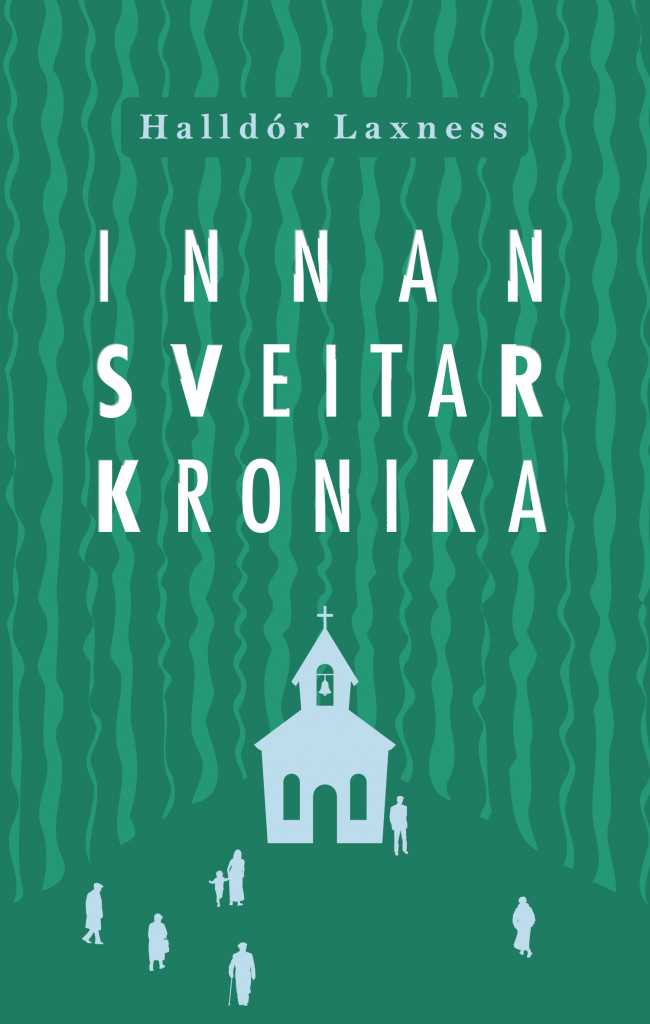
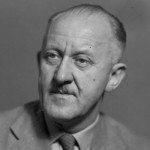
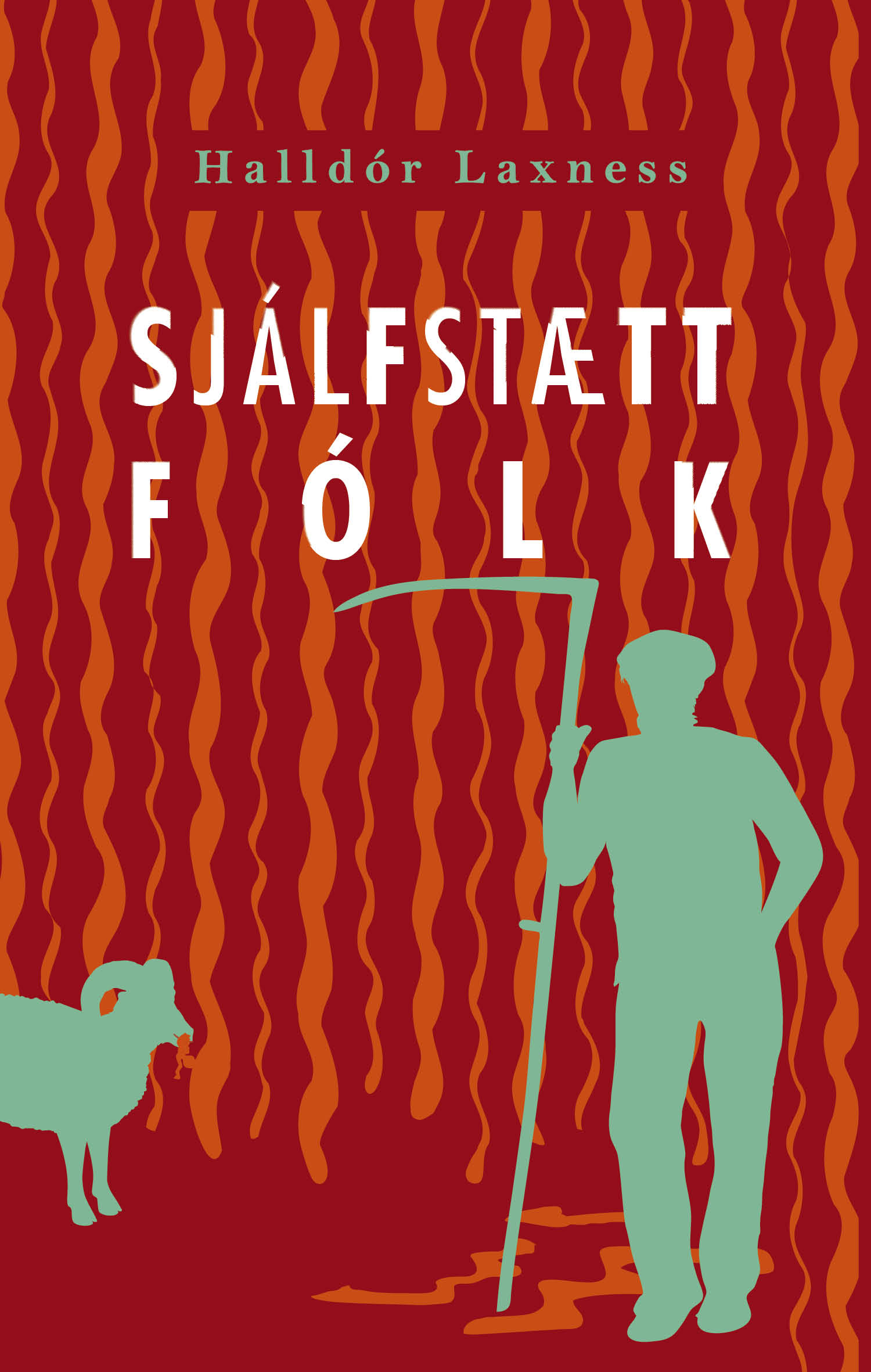
The Parish Chronicle (Innansveitarkronika, 1970) is the penultimate novel by Nobel Laureate Halldór Laxness. It is a masterful, playful work that blends memoir, folklore, and satire into a singular literary achievement.
Set in the rural valley of Mosfellsdalur where Laxness grew up, the novel draws on real events from the late 19th to the mid-20th century. At its center is a seemingly minor local dispute over the building of a church, yet through this lens, Laxness offers a sweeping, subtly ironic meditation on Icelandic identity, tradition, and community. The church becomes a symbolic anchor around which the history of a nation quietly unfolds.
Presented in the form of a chronicle, the book adopts a tone reminiscent of the Icelandic sagas, a matter of fact narrative, while subverting their conventions. Laxness is both narrator and character, weaving together personal recollection, oral history, and archival reference. He affectionately evokes the people of the valley, his neighbors, ancestors, and local eccentrics, often using their real names or pseudonyms easily recognized by those familiar with the area.
But The Parish Chronicle is far more than local color. It is a stylistic tour de force. Laxness’s language, earthy, precise, richly idiomatic, becomes a character in itself. The novel is filled with digressions, footnotes, corrections, and philosophical asides, all delivered in a calm, conversational tone. There’s humor, irony, and a deep respect for the texture of everyday life. The effect is that of sitting by the fireside, listening to an elder tell stories that are both entirely personal and broadly national. Among its most celebrated episodes is The Bread of Life, which has been published separately in illustrated editions in Icelandic, English, and German. It tells of a woman sent to deliver bread who becomes lost for days in the fog, but never eats the bread entrusted to her. Her later explanation, “What one is entrusted with, one is entrusted with”, captures the moral weight and quiet dignity that permeate the book.
[A Parish Chronicle] is filled with some of the strangest characters Laxness ever gave us (and there are many, believe me), and with events that on the surface are so mundane that they would normally not demand attention, let alone be written about. Yet Laxness’s able hand pushes the pen until they are infused with tender mystery that makes us care for them all.
SJÓN, 4COLUMNS
“I’m currently reading and enjoying A Parish Chronicle, by the Icelandic writer Halldór Laxness, which just came out in English for the first time. It’s about sheepherders and a stubborn church that just won’t quit. It is, as I’m sure you can already guess, hilarious.”
LAUREN HARRIS, THE NEW YORKER
“Laxness’ protagonists are independent-minded and strong-willed—if also, to varying degrees odd-ball. A Parish Chronicle is, like many of his novels, a loving portrait of Iceland.”
M. A. ORTHOFER, THE COMPLETE REVIEW
“In Laxness, the boundary collapses between inward and outward. Nowhere is this more on display than in the novel A Parish Chronicle . . . Surely one of the reasons A Parish Chronicle feels like a high-fidelity representation of Laxness’s soul is because he grew up [in Mosfell Valley] and knows the history in the marrow of his bones . . . I can think of no better introduction to the entire oeuvre of Laxness.”
WILL CHANCELLOR, THE BROOKLYN RAIL
“A Parish Chronicle is a late vein of Laxnessism, as free of his previous ideological entanglements as he could make it. Here, he’s as humane as ever, as interested in human folly, but now much less interested in correcting it. It is the work of a writer with nothing to prove, only to tell. It looks from the outside like a modest book. It turns out to be a major book in the grandness of its modesty.”
SALVATORE SCIBONA
“A Parish Chronicle draws on all Laxness’ signature themes: Icelandic culture and tradition; the ambivalent inheritance of the Sagas; small lives lived against the merciless current of history. His wry, laconic voice is as unmistakable here as it is inimitable . . . [Laxness] turns his attention to the ephemera of the everyday, burnishing them in memory so that—like the Mosfell church—they are never fully lost but always ripe for resurrection.”
JUSTIN TAYLOR, HARWARD REVIEW
“[ A Parish Chronicle] is my first encounter with Halldór Laxness and I am inclined to think it is as good a place to start as any. Especially with the excellent introduction to the varied and shifting nature of the Icelandic master’s oeuvre . . . The narrative tone of A Parish Chronicle rests on an irresistible sly, understated humor that runs throughout . . . a thoroughly entertaining story.”
JOSEPH SCHREIBER, ROUGH GHOSTS
“Throughout, Laxness evokes his characters’ simple way of life with a seamless mix of folklore and quotidian detail … Readers will be transported.”
PUBLISHERS WEEKLY